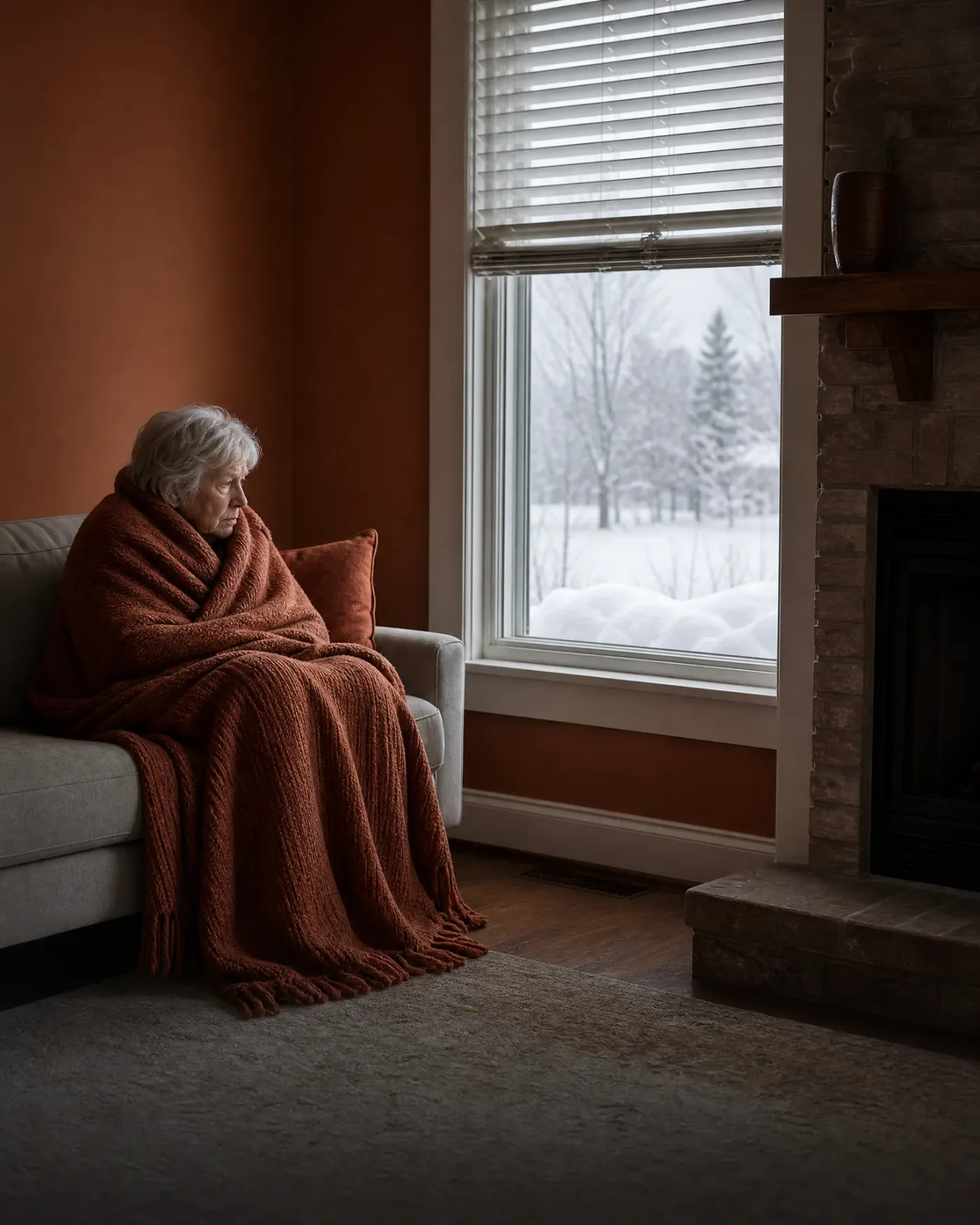
Signs your furnace won't last a Maine winter
A furnace that won't make it through a Maine winter usually tells you before it fails outright. Short cycling, a burner that won't stay lit, or a cold snap that leaves the house struggling to hold 68 are the common warnings, and most of them trace back to a cracked heat exchanger, a failing igniter, or an oil burner that's lost its tune. The real danger in Maine is timing. A furnace that's limping along in October can go out completely during a January stretch of single digit nights, right when it's working hardest and when a no-heat call is hardest to get answered fast. If your furnace is short cycling, smelling off when it runs, or needing a restart more than once a season, that's not something to watch through another winter. It means getting someone qualified to look at it before the cold really sets in, not after the first bitter night finds out for you.
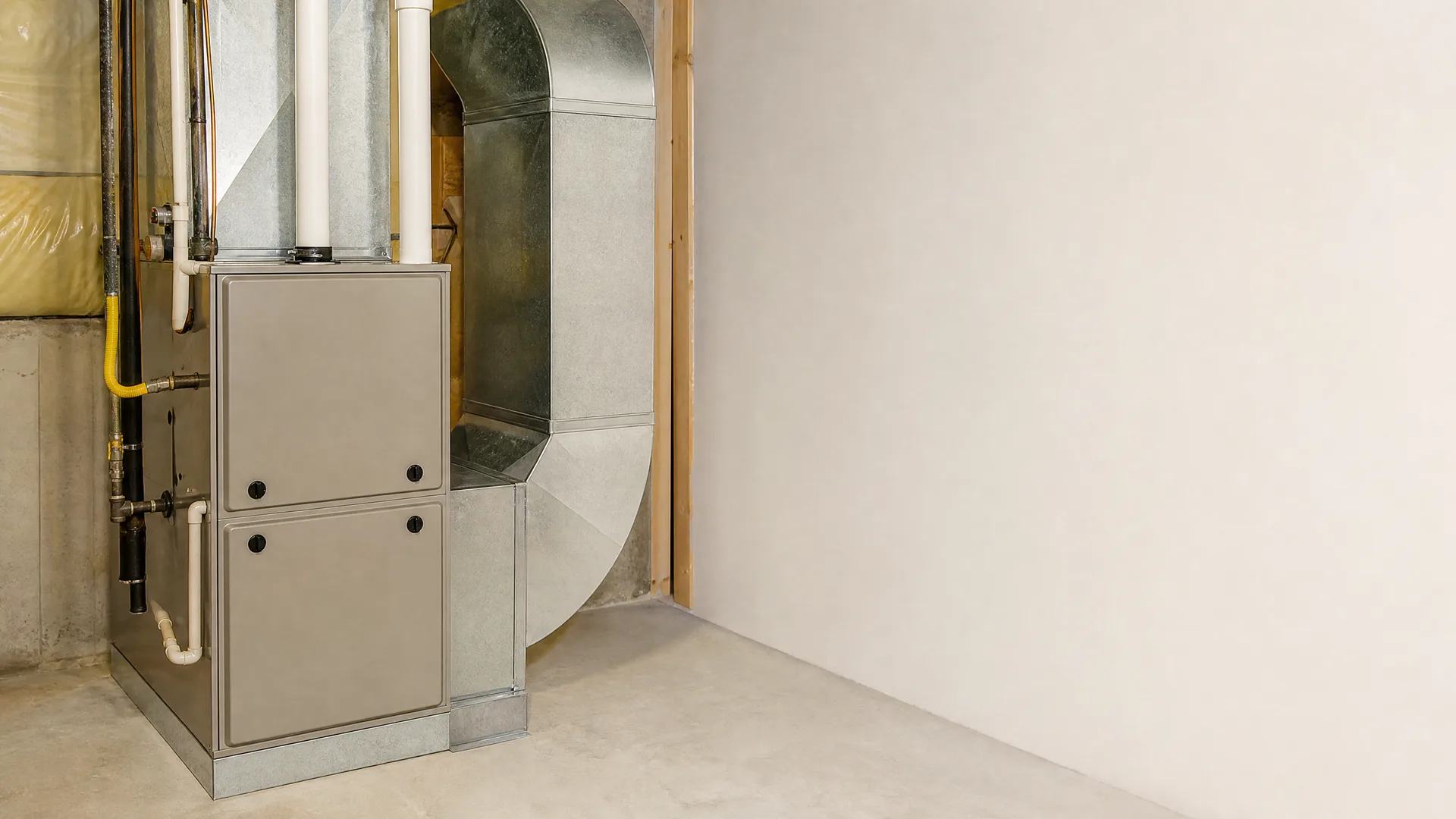
Oil furnaces fail in cold, not heat
A furnace works hardest on the coldest nights, which is exactly when you can't afford a breakdown. If yours is oil fired, like most in Maine, a clogged nozzle or a dirty filter forces the burner to work harder to hold temperature. That strain shows up first during a cold snap, not in October when the weather is still mild. If it struggled last January, expect the same this year, only worse.
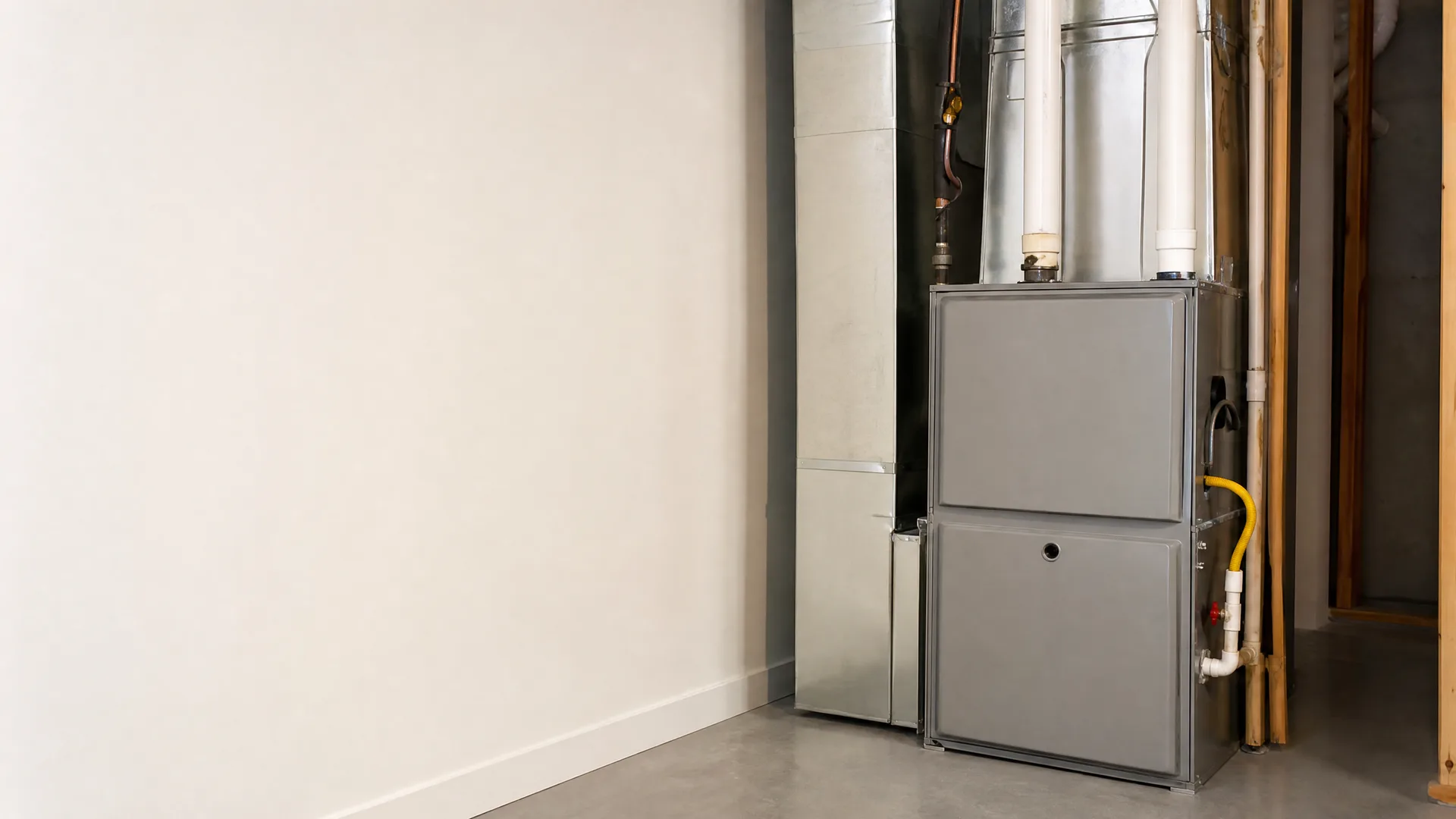
Short cycling wears parts faster
A furnace that kicks on, runs a few minutes, then shuts off again is short cycling. Each start draws more wear on the igniter and the blower motor than a normal run does. Over a winter of cold nights, that adds up faster than steady operation would. If you've noticed the furnace cycling like this more often than it used to, that's the system telling you a part is failing before it quits for good.
Repair It or Replace It
Worth Repairing
- A burner that relights fine after cleaning the nozzle usually means the furnace itself is sound, just dirty or out of adjustment.
- If the heat exchanger has no cracks and no rust-through, a tech can fix most other failures around it.
- A furnace that's kept the house at 68 through past cold snaps without short cycling has margin left in it.
- One failed part, like an igniter or a control board, is a repair even if it's happened before on this unit.
- If parts are still available for the model, a local tech can usually get it running right again.
Living on Borrowed Time
- A heat exchanger with visible cracks or rust-through can't be patched, and running it that way isn't safe.
- If the furnace short cycles on the coldest nights no matter what gets serviced, the burner or the exchanger is failing under load it can't handle.
- A furnace that struggles to hold 68 during a cold snap even after a cleaning is losing ground it won't get back.
- Repeated repairs for different failures in the same winter point to a furnace wearing out all over, not one bad part.
- Oil soot building up fast after every cleaning usually means the burner can't keep pace with what the furnace needs from it.






A tech walking up to an older oil furnace in January isn't guessing. They're listening for the burner catching late, looking for soot around the door, checking the heat exchanger for cracks or rust at the base where moisture collects over the years. Each of these points to something specific. A late catch means the nozzle's firing wrong. Soot or an oil smell means the chamber isn't burning clean, which wastes fuel and strains the furnace harder than it should have to work. A cracked heat exchanger is the one that matters most, since it lets combustion gas into the air your ducts carry through the house. Short cycling usually means the limit switch is tripping because something inside is running hotter than it should. None of these mean the furnace is done. Most get fixed with a cleaning, a new nozzle, or a part swap. But a furnace showing two or three of these at once, especially with a cracked exchanger, is one a tech will tell you to think hard about replacing before the next cold snap.
What a tech checks first
- A delayed ignition, a soft bang when the burner finally catches, means the nozzle is firing late and not cleanly.
- Soot around the furnace door or a sharp oil smell when it kicks on points to incomplete combustion inside the chamber.
- A heat exchanger that's cracked lets combustion gas mix with the air your ducts carry through the house.
- If the blower runs but the air coming out feels barely warm, the burner may be undersized for what it's now facing or failing to reach full fire.
- A furnace that cycles on and off every few minutes is usually tripping its limit switch because it's overheating internally.
- Rust at the base of the heat exchanger or around the flue connection usually means moisture has been getting in for a while.


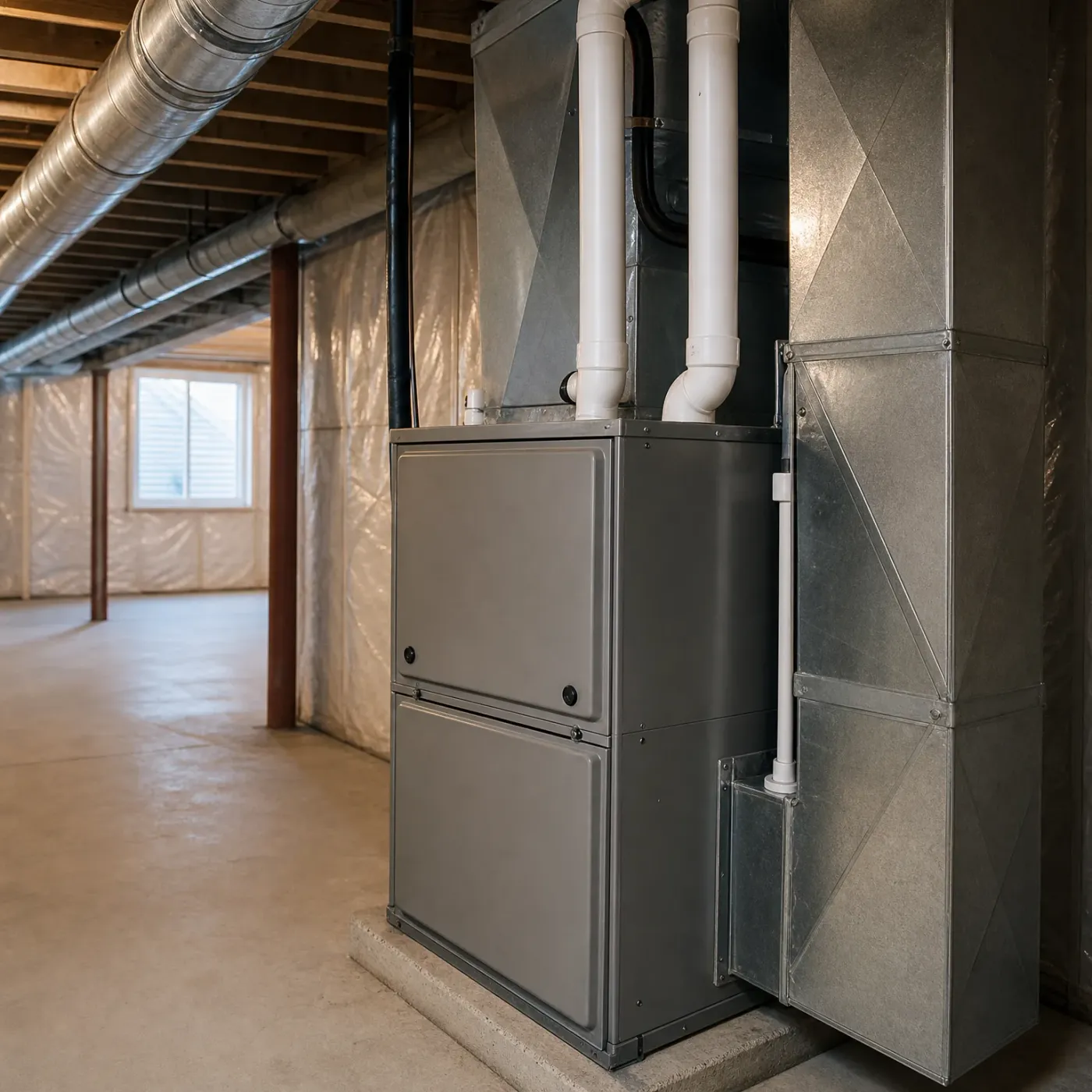
Explain it one time
Your request stays with one local pro.
Skip searching for a furnace pro and answer a few questions instead.
You only hire the pro if you want to.

What a dying furnace costs you this winter
A furnace on its way out doesn't fail evenly. It fails on the night it's 10 degrees outside, because that's the night the burner has to run longest. In a house heated with oil, that same night is when a struggling furnace burns through more oil trying to keep up, and with power costs what they are in Maine, a system working harder than it should shows up fast on the bill. If a room upstairs stays cold while the thermostat reads 68, or the furnace short cycles on and off through the afternoon, that's the house telling you something the furnace can't say outright.
None of that means guessing at what's wrong or who to call. It means getting a local tech who works on oil furnaces all winter, someone who's seen a cracked heat exchanger or a nozzle firing late more times than he can count, out to look at it once. One call, one visit, one answer on whether it's a repair or a replacement, instead of chasing down a handful of companies and explaining the same cold room three or four times over.

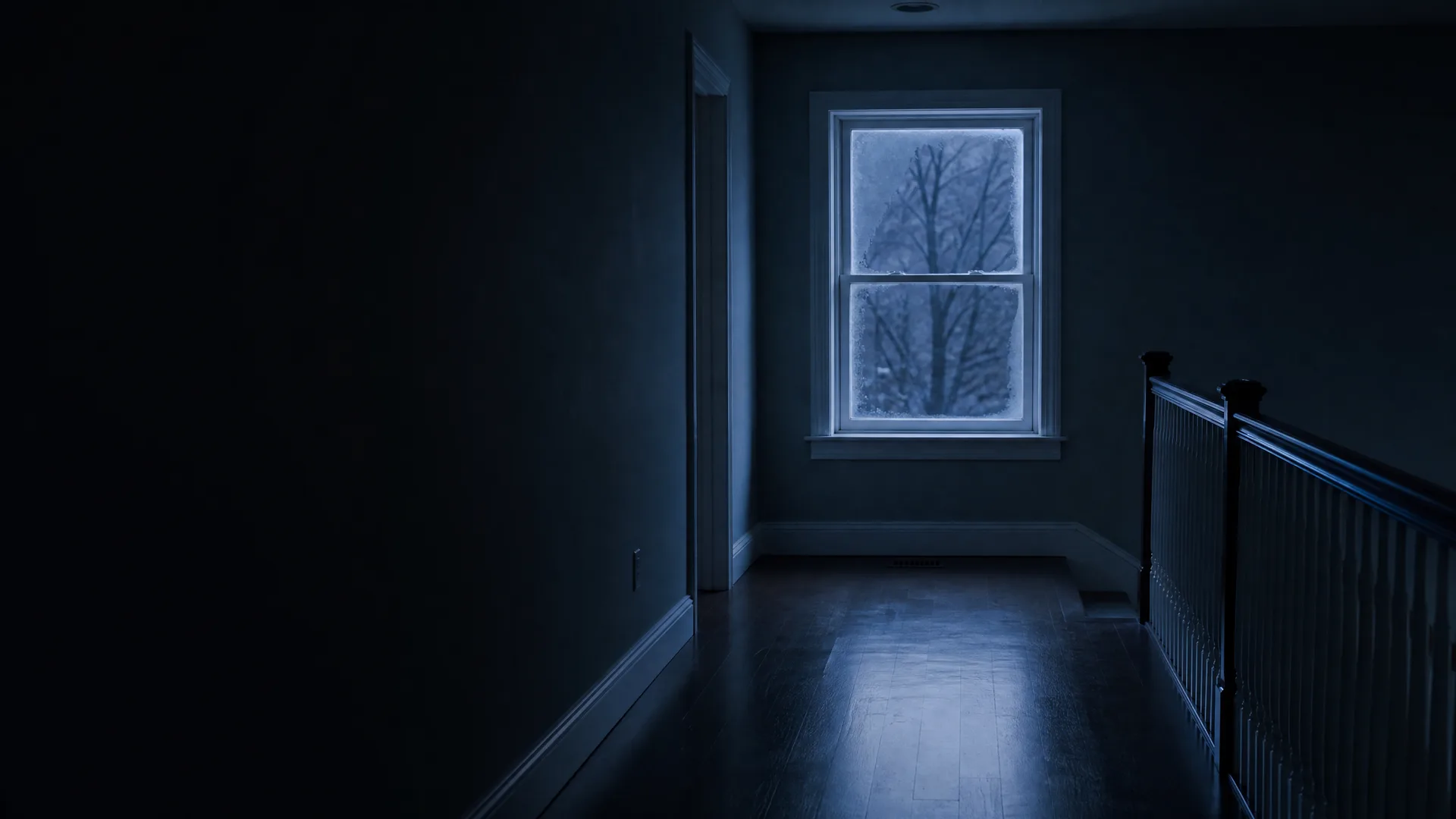
You wake up at two in the morning because the house feels wrong before you know why. The hallway floor is cold under your feet. You crouch by the vent and hold your hand over it and feel nothing coming through. Outside the window at the end of the hall, frost has crept in from the corners of the glass. The blue porch light next door is the only color in the dark. Somewhere below you the furnace should be running, because it's the middle of January, and it isn't. You stand there a second longer, listening for the burner to catch, and the house stays quiet.
Why does my furnace short cycle when it's really cold out?
Ten minutes of heat, then nothing, then it kicks on again. You notice it most on the coldest nights, when the furnace should be running long and steady to keep up. Instead it's starting and stopping like it can't settle into a rhythm, and you're left wondering if something inside it is already failing or if it's just straining to keep the house warm.
A limit switch is shutting the burner off before it should
The furnace has a high limit switch that shuts the burner off if the air inside the plenum gets hotter than it should. On a very cold night, the blower has to move more heat to hold the house at temperature, and if airflow is restricted anywhere, a dirty filter, a closed vent, ductwork that's too small for the furnace, the air inside heats up faster than the blower can carry it away. The limit switch trips, the burner shuts off, the air cools, and it fires again a few minutes later. A tech can check airflow and the switch itself, but if the heat exchanger is warping under that heat cycling, that's a part that doesn't get better on its own.
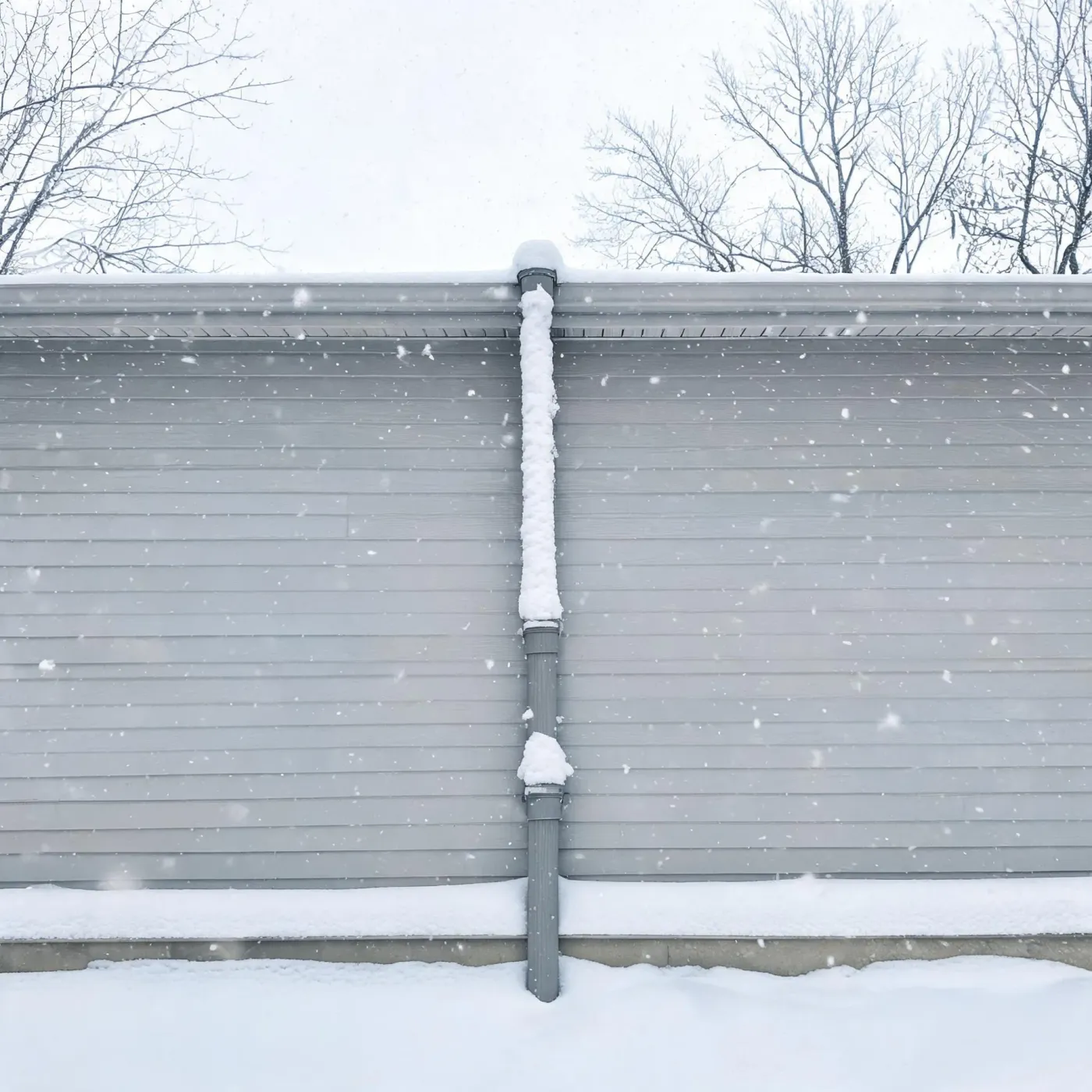
Statewide, winter nights average 13°F, according to NOAA. That's the stretch where a weak furnace shows itself. At 13 degrees, the burner has to run long and often just to hold the house at 68, and a furnace that's already struggling won't keep pace. You'll notice the floors cooling first, then the air coming out the vents feeling lukewarm instead of warm. If the oil use climbs that week without the house feeling any warmer, the furnace is losing ground to the cold, not keeping up with it.
NOAA nClimDiv 1991-2020 county normals weighted by homes


Winter nights average 13°F statewide
At 13 below freezing, your furnace can't idle. It has to run long stretches just to hold 68, and that's when a cracked heat exchanger or a weak igniter finally gives out. A furnace that's already borderline won't make it through a night like that.
NOAA nClimDiv 1991-2020 county normals weighted by homes
Where your furnace stands now
- Short cycling, a burner that won't relight, or a house that can't hold 68 on a cold night all point back to the same handful of failures.
- A cracked heat exchanger or a dead igniter rarely gets better on its own once the cold sets in for good.
- A tech who services oil furnaces all winter in Maine has seen which parts fail first and can usually tell you on the spot if yours is one of them.
- Calling one licensed local contractor instead of several means you explain the problem once and wait on one answer, not a handful of quotes.
- The furnace tells you where it stands before it quits outright; the question left is whether it's worth fixing or past it.
- Waiting past that point means finding out on the night you can least afford to.
A furnace doesn't fail quietly in a Maine winter. It short cycles, the burner won't relight, or the house can't hold 68 when it's 13 outside, and each of those points to something specific: a cracked heat exchanger, a dead igniter, a nozzle firing late or dirty. None of those get better once the cold sets in for the season. They get worse, and they tend to pick the coldest night to prove it.
What you do with that information is the real question. A furnace that relights clean after a nozzle cleaning is usually sound underneath, just due for service. One with a cracked heat exchanger or a rusted-through flue pipe is telling you something else. Either way, you don't have to guess which one you've got. A tech who works on oil furnaces all winter here has seen both kinds more times than he can count, and he can usually tell you which one you're looking at before he's finished the first inspection.
That's also the part that makes calling someone easier than it sounds. You explain the problem once, to one licensed contractor local to you, and you get one answer back. No retelling the same story to three different companies, no stacking up quotes to compare while the house gets colder. Just someone who knows what usually fails in a furnace like yours, telling you straight whether it's worth fixing or whether you're better off planning for what comes next.
Skip the calls to every shop
Asking costs nothing, and the choice to hire stays yours.
A furnace that's hesitating now won't get easier to live with once January settles in. Sending the request means one local tech who works on oil furnaces all winter looks at yours, instead of you calling around and explaining the same cold nights to every company in the book.