Sized right for your house
A furnace that matches your home cycles on, heats evenly, and shuts off. The ductwork, the exhaust pipe, the gas line all do their job without strain. On the coldest night in January, it keeps running steady, not flat out.
 Hand it off
Send the form and the search for an installer is over.
A furnace that's too big for your house cycles on and off all winter, and one that's too small runs flat out on the coldest nights in Caribou or Bangor and still can't keep up. Sizing it right isn't a guess. It comes from your house, not a rule of thumb someone used on the last job.
Maine complicates this more than most places. Most homes here heat with oil, and the furnace has to be matched to that system, not swapped in like a generic part. Mainers already know what a hard winter costs to heat through, and with electricity here among the most expensive in the country, a furnace sized wrong doesn't just run poorly, it runs up the bill every month from October to April.
Getting the size right means someone looks at your actual house: the square footage, the insulation, the windows, how the ductwork or oil lines are laid out. That's a contractor's job, done in person, not a number pulled off a chart.
Finding that contractor is usually the part that eats your afternoon. Calling around, explaining the same thing about your oil furnace to four different people, waiting on quotes, trying to tell who actually knows what they're doing versus who's just available. That part ends here. Send the form once and the search for who to call stops being something you have to manage yourself.
You still get a real answer about what size furnace your house needs. But you get it without doing the legwork of finding someone qualified to tell you. The rest of this page walks through how furnace sizing actually works in a Maine home, so you know what's being calculated and why. Then the decision about who installs it is one less thing sitting on your list.
You want a straight number before you call anyone, something close enough to plan around. Square footage alone feels too rough once you think about how cold it actually gets here, and how much oil or electricity you're already paying for. You want to know what actually goes into the number so a quote makes sense when it shows up.
A furnace is sized in BTUs, and the right BTU number for your house depends on its square footage, how much insulation is in the walls and attic, how many windows you have and which way they face, and the lowest temperatures your part of Maine actually sees. A contractor runs a heat loss calculation using those details, not a chart that assumes every house is the same. Two houses of the same size can need furnaces with a meaningfully different output if one has old windows and thin insulation and the other doesn't. Since most homes here heat with oil, getting this number right also matters for the bill, since an oversized furnace burns more fuel than your house needs on an average night.

A furnace that matches your home cycles on, heats evenly, and shuts off. The ductwork, the exhaust pipe, the gas line all do their job without strain. On the coldest night in January, it keeps running steady, not flat out.

An older furnace that's too small for the house it's in works overtime every cold snap and still falls behind. One that's too big short cycles and wears out faster. Either way, the oil bill or the power bill shows it.


A contractor doing this right starts at the walls, not the furnace. The calculation, usually a Manual J, adds up how fast your house loses heat on the coldest night of the year, the kind Caribou gets more of than Portland does. That means going room by room: square footage, ceiling height, how many windows face north, what's behind the drywall. Two houses with the same floor plan can need different furnaces if one has old single-pane windows and loose insulation and the other was tightened up ten years ago. Insulation usually moves the number more than the square footage does.
Once the heat loss number is set, it gets matched against a furnace rated in BTUs per hour of output, the rate it can actually deliver, not just the size of the unit sitting in the basement. Too big and it short-cycles, heating fast then shutting off before the house evens out. Too small and it runs constant on the coldest nights and still falls behind.
The last check is the ductwork. A furnace can be sized correctly and still underperform if the ducts feeding your rooms can't move that much air. A contractor checking duct size alongside the load calculation is looking at whether the whole system, not just the furnace, can deliver what your house needs when it's ten below outside.




Skip the round of in-home estimates for a new furnace.
Asking costs nothing, and the choice to hire stays yours.
A furnace sized from a load calculation matches your house on the coldest night of the year, not an average one. In Caribou that might mean sizing for well below zero, not for January's typical day.
That's why two homes of the same square footage in Maine can need different furnace sizes. The one with more windows or less insulation loses heat faster and needs more capacity to keep up.


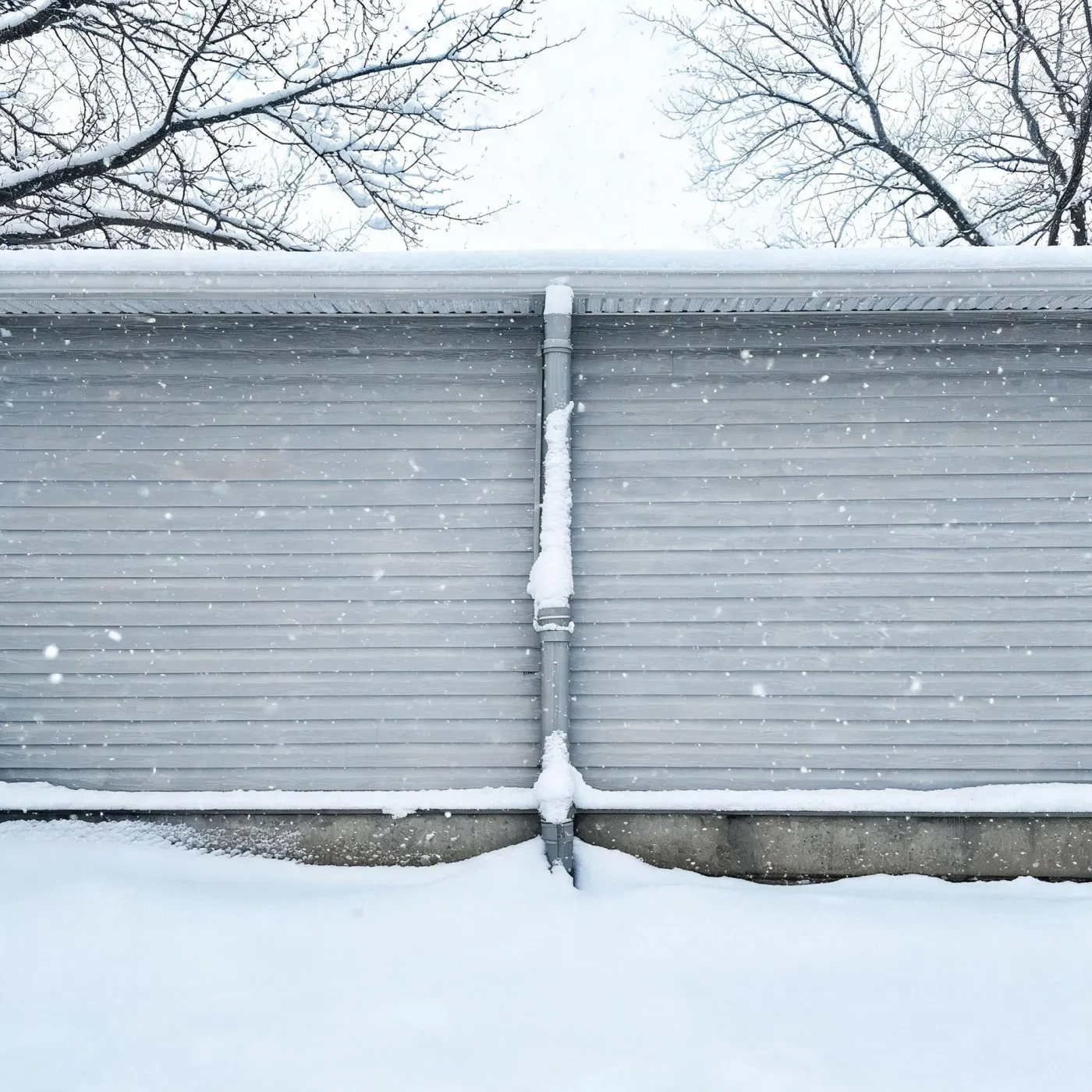
Winter nights average 13°F across Maine, according to NOAA climate data. That's the kind of cold a furnace has to answer for hours at a stretch, not just at the coldest point of the night. Undersized, it runs the whole night without a break and the rooms farthest from the furnace still feel it. Sized right, it holds the house steady and still shuts off between cycles. With oil prices and electric rates both high here, a furnace that's working harder than it should shows up fast on the bill, long before you'd notice it any other way.
NOAA nClimDiv 1991-2020 county normals weighted by homes
You notice it in the room farthest from the furnace first. The air coming out feels lukewarm instead of hot, and the thermostat climbs slowly or not at all once it drops into single digits outside. The burner stays on far longer than it used to, and some nights it doesn't seem to shut off before morning. Your oil tank empties faster than it should for how cold it actually got. If the furnace was sized for a smaller house, or sized by square footage alone without accounting for how much heat your walls and windows actually lose, it ends up working against the cold instead of ahead of it. Left that way through a full Maine winter, that's higher oil and electric use for less heat, and a furnace that wears out faster than it should.

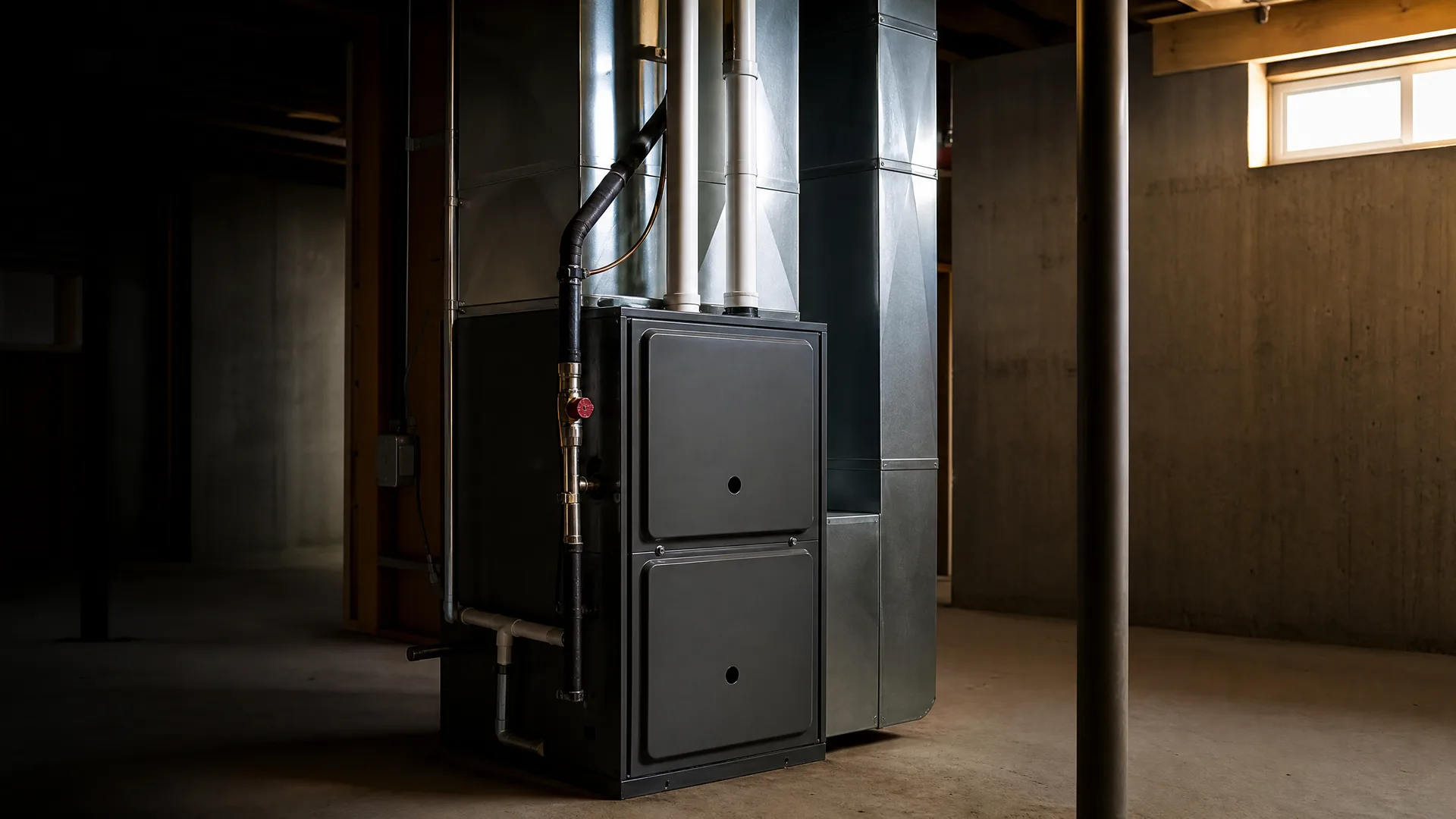
This is a furnace sized to the house above it. The gas line feeds it steady, the flue vents clean, and the ductwork carries what it makes without strain. On the coldest night it keeps a steady pace instead of maxing out, and the basement around it stays dry and quiet.

This one sits on a pallet waiting on a crew that never sized it to the house. Wrong size and it will short cycle or run flat out no matter how sound the ductwork above it looks. The furnace can only do what its sizing lets it do, not what the house needs.

Most houses in Maine run on oil, and oil runs through a meter you can watch drop. A furnace too small for your house burns through a tank faster, because it never gets to rest. It just keeps firing, trying to close a gap it can't close, and that tank you expected to last through February is gone by the middle of the month. A furnace too big does the opposite kind of damage. It blasts the house hot, shuts off, and fires again twenty minutes later, and each of those short cycles wastes oil that a longer, steady burn wouldn't.
Electric backup or electric heat in any part of the house makes this worse, since power in Maine costs more than in most of the country. A furnace sized wrong leans harder on whatever backup is in place, and that cost shows up on the electric bill too. Getting the size right the first time means skipping the back and forth of finding someone who can even do that math for your specific house. No calling around, no repeating the same details to three different contractors, no sorting through quotes that aren't sized to anything. One form, and that search stops being yours to run.


An oversized furnace heats the house fast, then shuts off before it's pulled moisture out of the air or warmed the far rooms evenly. It cycles on and off all night instead of running a steady stretch. Each start draws a surge of power to light, and with electric rates what they are in Maine, that adds up over a winter. The ductwork takes the strain too, pushed with more air than it was built to carry.

An undersized furnace never gets to coast. On a night near zero in Caribou or Bangor it runs flat out for hours and the house still doesn't catch up, especially in the rooms farthest from it. The oil tank empties faster because the burner rarely shuts off to rest. Over a full winter that's more fuel burned for less heat delivered, and more wear on a unit that never gets a break.
Thirteen degrees is a cold your furnace has to hold against for hours, not just touch at 3 a.m. If it's sized right for your house, it keeps pace without maxing out. If it's not, you feel it in the rooms farthest from the furnace first.
NOAA nClimDiv 1991-2020 county normals weighted by homes
The right size furnace for your house comes from a load calculation, not the square footage on your tax record. A contractor who measures your rooms, your windows, your insulation, and your Maine winter against each other can tell you the number that keeps your house warm on the thirteen-degree nights without burning oil it doesn't need to. You don't have to find that contractor yourself. No calling around to see who answers, no explaining your oil furnace and your drafty upstairs bedroom to five different companies, no stack of quotes you have to compare line by line to figure out who's actually proposing the right size. Send the form once and that work is off your plate. What's left is the part that was always going to take a visit to your house anyway: someone standing in your basement with a tape measure, figuring out what your house actually needs before the cold really sets in.
It's off your list after this
