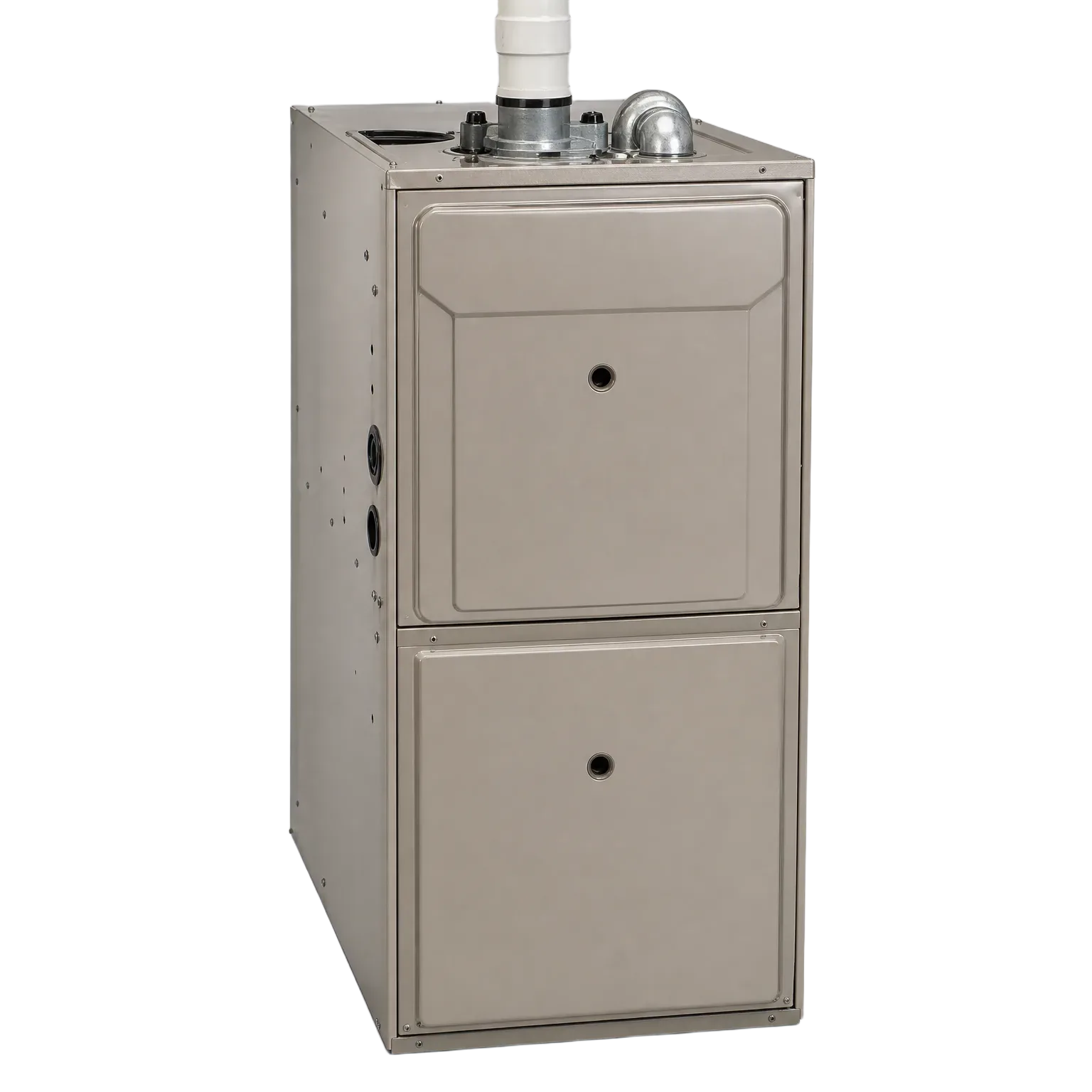
One rod, one job
The sensor only proves a flame is burning. Soot coats it faster in a furnace that cycles on and off all day, which is exactly what an oil furnace does on a cold Maine morning.
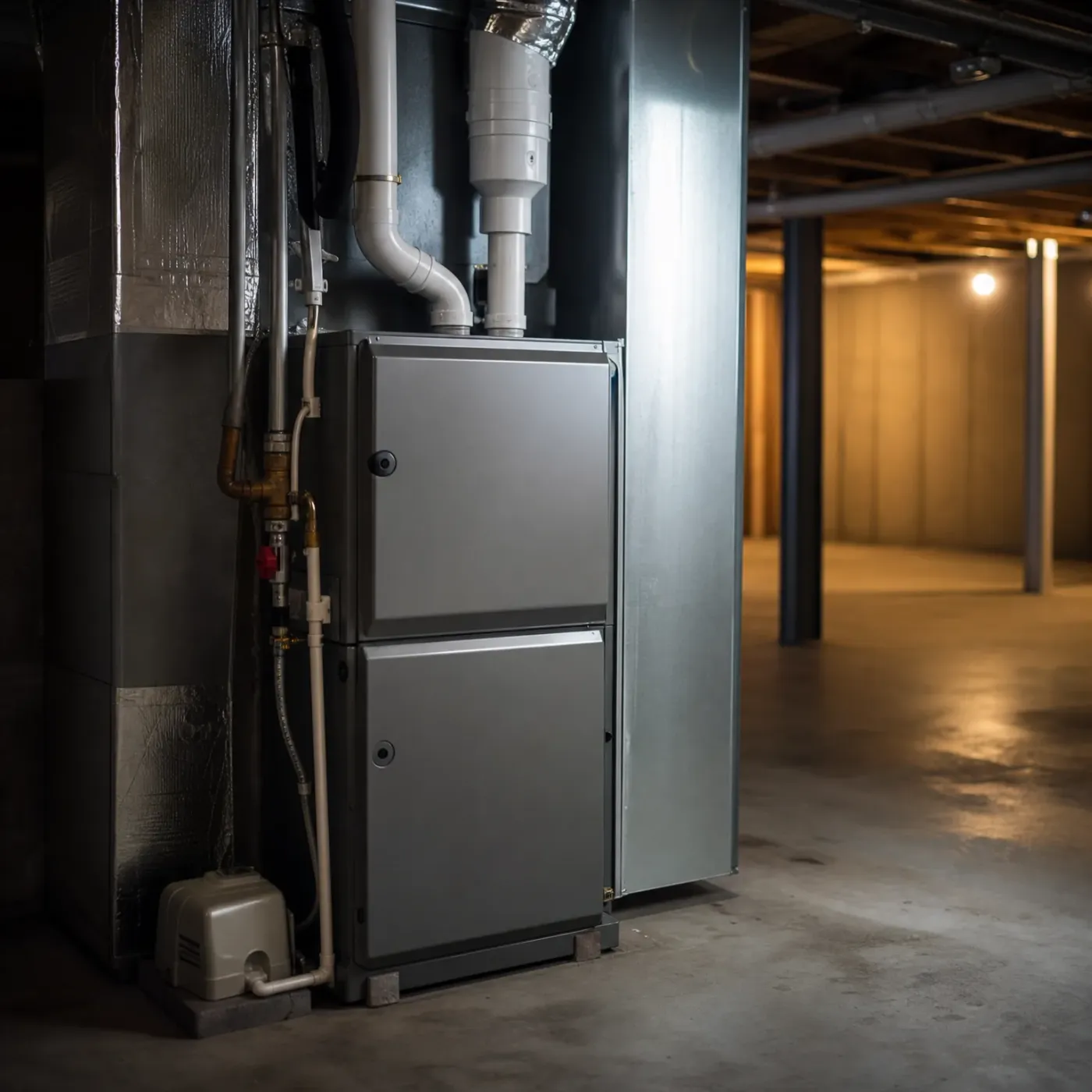
Let someone else find the pro
The flame sensor tells your furnace a flame is actually lit. A coat of soot on it is the usual reason an oil furnace fires, then shuts itself back off within a few seconds. Below, what that buildup does and when it's time to have the sensor cleaned. If you'd rather have someone local look at it, send the form and let a contractor who works on these furnaces take it from here.
I'm done searchingA flame sensor usually needs cleaning once a year, and for most Maine homes that works out to a check in the fall, before the furnace is running every day. The sensor is a thin metal rod sitting in the burner flame, and its job is to prove to the furnace that the flame is really there. Soot builds up on it over time, a thin gray film that keeps the rod from reading the flame correctly. Once that coating gets thick enough, the furnace shuts off a few seconds after it fires, because the sensor can no longer tell the flame is lit. If your furnace is doing that now, short cycles that end in a few seconds, the sensor is likely already past due. Oil furnaces foul a flame sensor faster than gas ones, so if yours runs on oil, a yearly cleaning before winter is worth keeping to.


The sensor only proves a flame is burning. Soot coats it faster in a furnace that cycles on and off all day, which is exactly what an oil furnace does on a cold Maine morning.
A furnace that lights and quits over and over burns oil getting started each time. With oil heat and high power rates, a dirty sensor costs you more than the fix.
You hear the burner light, run for a few seconds, then quit. Maybe it tries again and catches, or maybe it just goes quiet and the house starts to cool. You might notice it worst on the coldest mornings, when the furnace is working hardest to keep up. Some homeowners catch a burst of oil smell near the furnace when it shuts off mid-cycle. None of this means the furnace is failing. It usually means the sensor can't see the flame through the soot anymore, so the furnace assumes no flame and cuts the oil to be safe. Left alone through a full winter, that's a furnace running in short bursts instead of steady heat, which means more oil burned to get the same warmth and more strain on parts that have to restart again and again.
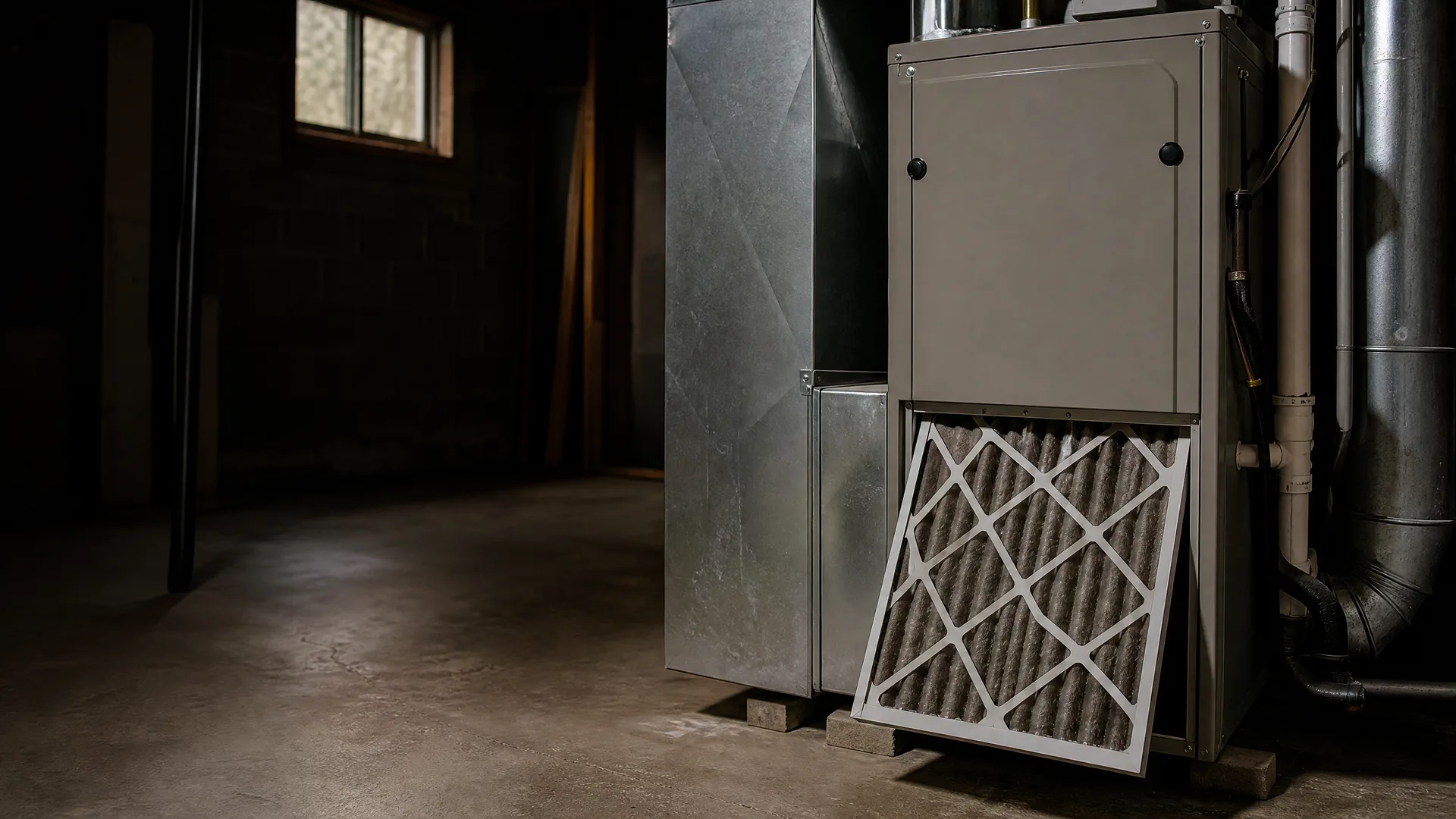
You're down in the basement on a Saturday afternoon, the light coming in low through the one window near the ceiling. You pulled the filter to check it before the cold really sets in, and it slides out grey, caked with a season of dust. While it's out you notice the burner cycling again, that same catch-and-quit you've been hearing for a week. You crouch down and watch it through the sight glass. Flame comes up, holds a few seconds, drops. You think about the oil truck that was just here, and the bill that came with it, and you figure the filter wasn't the only thing that needed a look before winter.
At 13°F, a typical overnight low here, your furnace is lighting and cycling through most of the night, not just running once at bedtime. Every one of those cycles passes more soot over the flame sensor. A rod that would hold clean through a mild winter elsewhere fouls faster on nights this cold.
NOAA nClimDiv 1991-2020 county normals weighted by homes




Your request stays with one local pro.
No charge to send it. You decide if you hire them.
The soot builds up slowly, then one cold morning the furnace won't hold a flame, and you're standing in a cooling house trying to figure out why. A flame sensor caked with a season of soot is almost always the answer. The fix isn't complicated. Wiping the rod clean once a year, timed before the furnace is running every day, keeps that from happening on the morning you can least afford it. Skip it and the furnace starts short cycling, lighting and quitting over and over, burning oil it never turns into heat for the house. In Maine, where oil heats most homes and power costs what it does, that's not a small thing to let ride through the winter.
Whoever opens up your furnace to clean that sensor should know oil equipment well enough to spot it without hunting. A contractor who works on furnaces like yours all winter has seen a sooty sensor often enough to recognize it on sight, and knows what else tends to go wrong on the same unit while it's already open. That's who you're matched with here, one licensed contractor local to your area, not a list of companies all calling about the same job. One call, one visit, and the sensor gets the attention it needs before the cold settles in for good.

It's off your list after this