Why your furnace is blowing cold air in Maine

Describe your furnace job, and a local pro who handles it gets in touch.

Get matched

Why is my furnace blowing cold air?

Oil furnaces are what most Maine homes run on, and when yours starts pushing out cold air instead of heat, it usually happens on one of the colder nights when you need it most. You go check the thermostat, maybe bump the temperature up, and the blower keeps running but nothing warm comes out of the vents.

The burner isn't firing, but the blower is still running

Cold air from the vents almost always means the burner has stopped lighting while the blower fan keeps moving air through the ducts. On an oil furnace that's often a clogged nozzle, a dirty filter in the oil line, or an igniter that's failed. It can also mean the furnace ran out of oil, which is easy to miss if the tank gauge is hard to read or sits low to the ground. Either way, the system isn't broken outright, it's just not burning fuel, so the fan has nothing to warm before it pushes air into your rooms. With how cold Maine nights get, this isn't something to leave for a few days.

A woman in a gray turtleneck sweater stands by a window looking outside at snowy ground, with a dimly lit living room containing a sofa, shelves, lamp and a lit candle behind her.
A woman in a cream cable-knit turtleneck sweater stands in a warmly lit living room with a fireplace and shelves behind her, looking out a window toward snow-covered trees and a railed deck.
A woman in a cream knit turtleneck sweater stands by a window looking out at snow, with a lit fireplace, sofa and lamp in the room behind her.
A woman in a gray knit sweater sits by a window looking out at falling snow, with a dimly lit living room containing a sectional sofa, pillows, a lamp and houseplants behind her.
A gray high-efficiency furnace in a basement with PVC venting pipes, a yellow gas line, metal ductwork, concrete walls and floor, and a wood-framed stairway at left.

Running the way it should

Air coming out of every vent feels warm within a few minutes of the burner lighting. The flame stays lit, the blower runs steady, and the thermostat setting and the room temperature agree. No cold draft while the system cycles.

A beige furnace with a louvered front panel and metal ductwork stands on a concrete basement floor beside pipes and a white cylindrical water heater.

Blowing cold air

The blower runs but the air stays cold, or the furnace short cycles, kicking on and off every few minutes without ever warming the house. On a cold Maine night that's when a small problem turns into no heat at all.

What are you noticing right now in your house

The thermostat says 68 but the air out of the vents feels like it just came off the porch. Maybe the blower kicks on and runs a while before you feel any warmth at all, or it never warms up and just moves cold air around the house. You might hear the burner try to fire and then shut off again, or hear nothing from it at all, just the fan. Some rooms stay colder than others. If this keeps up, the house loses ground overnight, pipes near outside walls sit in colder air longer than they should, and with oil heat and Maine power costs what they are, running a system that isn't actually heating costs you for nothing in return.

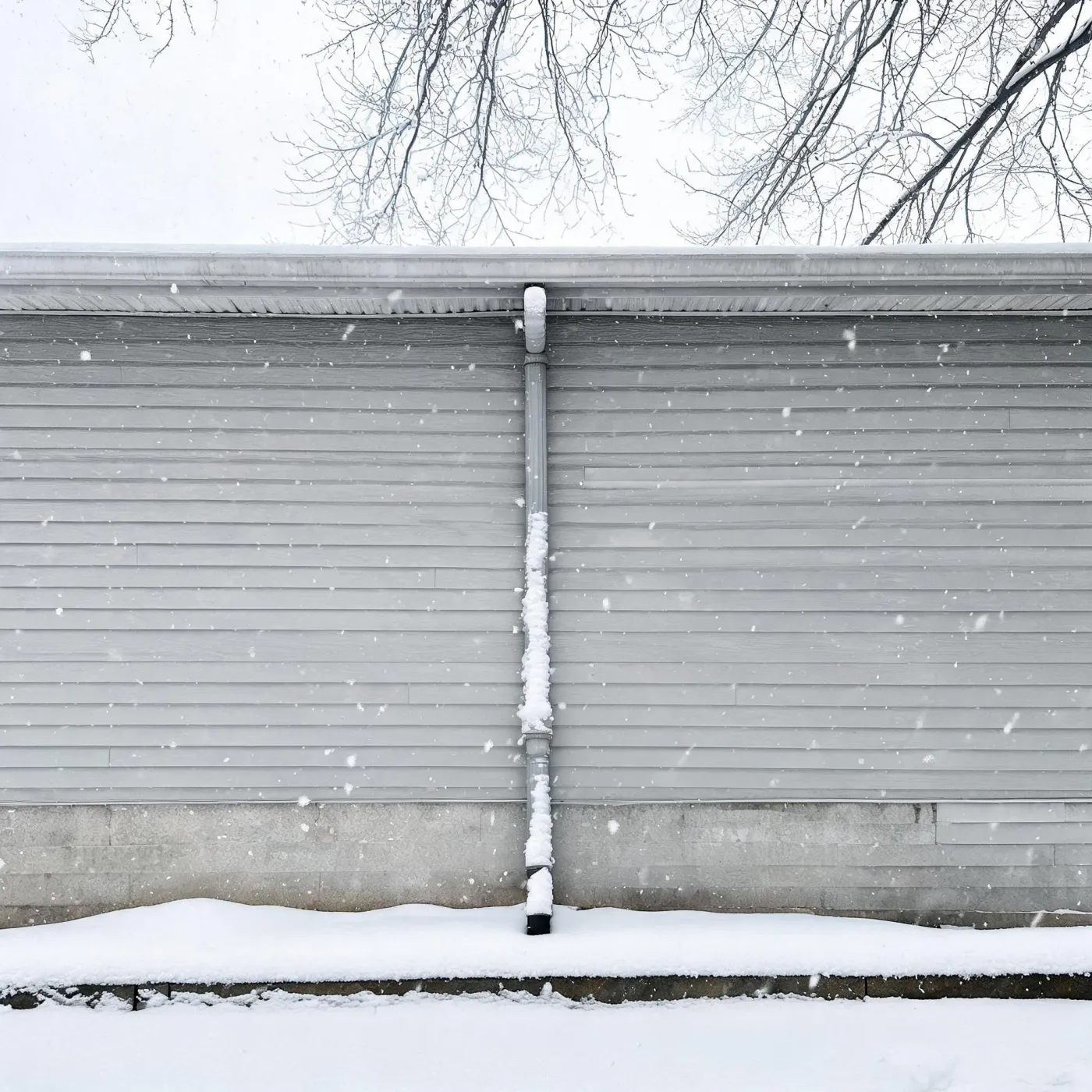
Gray horizontal lap siding on a building above a concrete block foundation, with a central downspout partly coated in snow, falling snowflakes, snow-covered ground, and bare tree branches against a white sky.

Winter nights across Maine average 13°F, according to NOAA climate data. At that temperature, your oil furnace isn't cycling on for a few minutes here and there. It's running long stretches just to hold 68 inside, and the burner, igniter, and blower all see more hours of work on a night like that than they do on a mild one in October. A weak igniter or a clogged nozzle that might limp along when it's 40 outside often can't keep up at 13, and that's when you get a blower pushing air that never warms up. If something in the system is already marginal, a cold night like this is when it gives out. Instead of calling around to find someone who can look at an oil furnace on short notice, you get matched with a contractor who covers your area and they reach out to you.

NOAA nClimDiv 1991-2020 county normals weighted by homes

A local pro for your furnace repair

A furnace blowing cold air in January isn't something to sit with while you decide whether it's worth the trouble. Oil heat in Maine runs hard once the nights settle into the teens, and a furnace that's lost its flame or can't hold one is going to keep tripping the same way until someone with the right tools looks at the burner and the ignition. Finding that person yourself means calling around to whoever has an opening, explaining the same problem on the phone three or four times, then sitting with quotes that don't tell you much because nobody's actually seen your furnace. Submitting this instead skips all of that. One contractor who works on oil systems in your area gets your request and reaches out to you directly. You're not chasing anyone down or repeating yourself, and you're not left guessing while the house gets colder than it should be with the thermostat set at 68.

A furnace blowing cold air almost always traces back to one thing: the oil isn't igniting, the flame isn't staying lit, or the blower is running without heat behind it. Whatever the cause, it's a job for someone who can see the burner and the flame sensor in person, not a guess made from the couch. Left alone, a furnace that's lost its flame on a 13 degree night doesn't fix itself by morning. Instead of spending an evening searching for an oil furnace repair company near you, calling a few, explaining the same cold vents and dead burner to each one, then sitting with their quotes trying to guess who's worth the call, you can skip straight to the part that matters. Answer a few questions about what your furnace is doing and you'll be matched with a contractor who works on oil systems like yours in Maine, and they'll be the one reaching out to you, not the other way around.


At dusk, a dark board-and-batten house with a standing-seam metal roof and lit entry walkway of stone pavers, with two large outdoor heat pump units on a stone-walled pad at right and trees and hills in the background.

Furnace Repair

Get the right pro for your furnace

Step 1 of 3: Equipment
  • A ceramic vase holding leafy green branches and a shallow wooden bowl sit on a wooden window ledge beside a sunlit window, with a cream upholstered chair and knit throw in the foreground.
    • Tell a local repair pro what your furnace is doing.
  • Sunlit living room corner with a beige upholstered sofa, a round wooden side table holding a ceramic vase of olive branches, linen curtains at a window, a floor vent in the baseboard, and a woven jute rug on hardwood flooring.
    • Once you send the form, finding a pro is off your list.
    • After you send the request, you're done searching.
  • A wooden side table with a single drawer holds a shallow carved wood bowl and a white ceramic vase of green eucalyptus stems, beside a window and an upholstered chair draped with a cream knit throw.
    • Fill out one short form instead of calling around.
    • Explain the job once and skip repeating it on every call.
  • Corner of a house with horizontal siding, a white-framed window and stone veneer base, beside a covered entry with wooden steps, a potted plant, mulched beds of green shrubs and a flagstone path.
    • Your request goes to one pro, not a list of companies.
    • The pro who reaches out is licensed in Maine.