

Profile view of a bearded man wearing a dark baseball cap and a dark gray T-shirt against a plain off-white background.

Why your furnace keeps turning on and off in Maine

Step 1 of 3: Equipment

Why does my furnace keep turning on and off?

You hear your oil furnace fire up, run for a few minutes, then shut off, only to start again not long after. It never seems to settle into a normal run. With oil prices and electric rates both high in Maine, that kind of cycling worries you, and you want to know if it's something minor or the start of a bigger repair.

Usually a dirty flame sensor, a clogged filter, or a thermostat problem

Short cycling almost always means the furnace is tripping a safety switch before it should. A dirty flame sensor or a sooty nozzle, common with oil furnaces, can make the burner shut off seconds after lighting. A clogged filter cuts airflow, the furnace overheats, and it shuts down to protect itself. A thermostat that's miscalibrated or in the wrong spot can also call for heat, then cut it, over and over. None of these let the furnace run long enough to heat your home evenly, and each start draws more power and more oil than a normal run would. With electric rates what they are in Maine, a furnace cycling all day adds up fast on top of the oil it's burning.

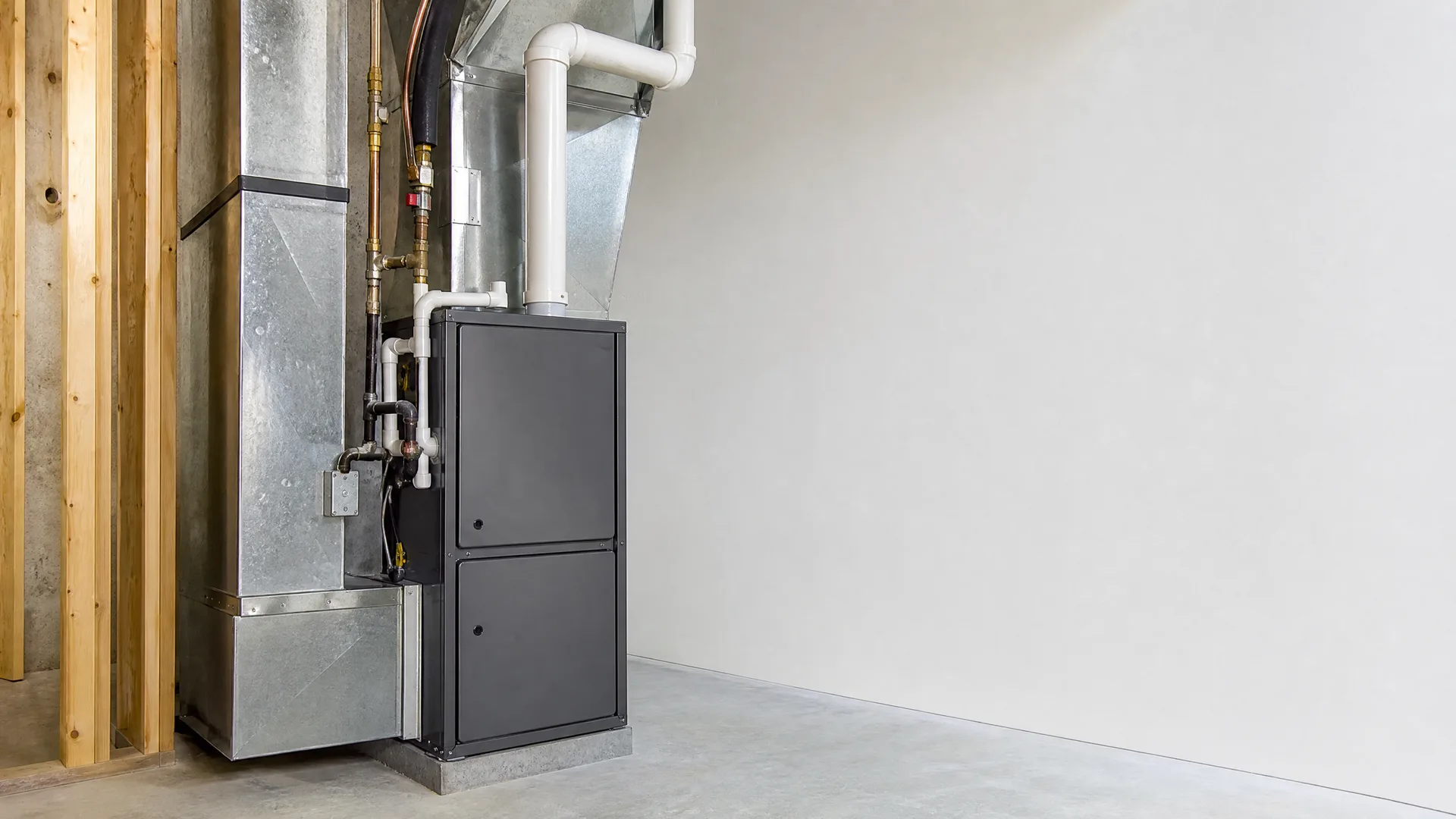
A dark gray furnace connected to galvanized sheet-metal ductwork, white PVC vent pipes and copper piping, standing against a plain light wall in a room with a bare concrete floor and exposed wood framing at left.

What short cycling does to oil use

Every time the burner fires, it goes through a startup phase before it burns clean and efficient. A furnace that fires ten or twelve times an hour spends a lot of that time starting up instead of actually heating your house. Oil gets burned without putting out the heat it should. In a state where oil is already a major part of a winter budget, that waste shows up fast, and the thermostat still can't hold a steady temperature room to room.

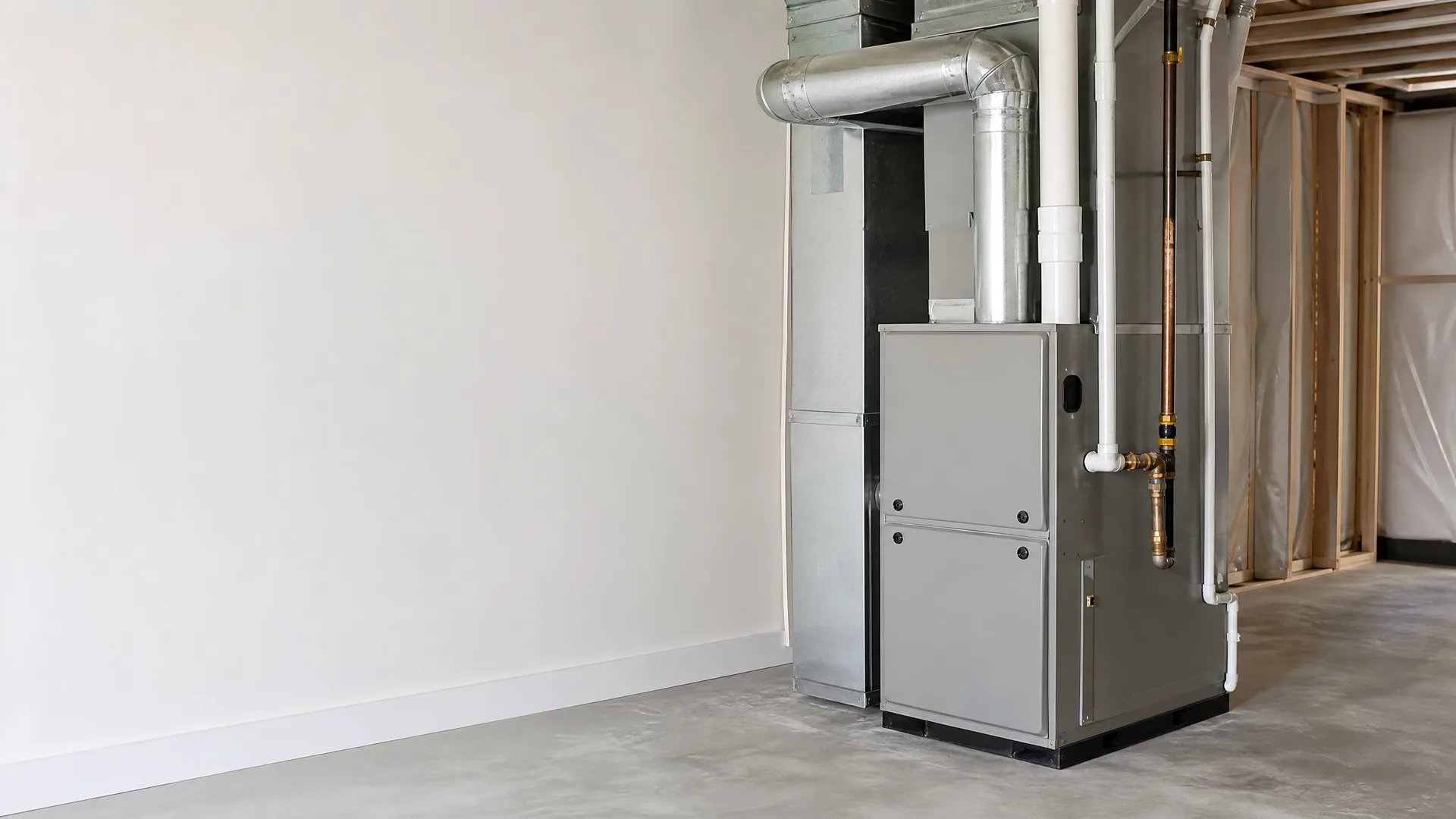
A gray high-efficiency furnace with sheet-metal ductwork, white PVC vent pipes and copper piping stands against a wall in an unfinished basement with a concrete floor and insulated wood stud framing at right.

A clogged filter is often the cause

A furnace pulls air across its heat exchanger to move warmth into your ducts. When the filter is packed with dust, that air can't get through, and the heat exchanger overheats. A limit switch senses this and shuts the burner down to protect it, then lets it restart once things cool. That cycle repeats as long as the airflow stays blocked. A filter that hasn't been changed since last winter is a common place this starts.

Is this actually hurting my furnace?

You've probably noticed the house takes longer to feel warm even with the furnace running more. You might hear the burner click on and off from another room, or notice the thermostat never quite settles. Some rooms stay cold while the furnace seems to be working constantly. If this keeps up through a Maine winter, the furnace is working harder than it should to keep up with the cold, and that wear adds up on parts like the igniter and blower motor. Left alone, a furnace that short cycles all season is more likely to break down on the coldest night, when you need it most and a contractor is hardest to get to your door fast.

A beige high-efficiency furnace with white PVC vent pipes stands beside galvanized sheet-metal ductwork in a basement with a concrete floor, exposed wood studs, and metal piping along the wall.

Running the way it should

A furnace that's cycling normally lights, runs for ten or fifteen minutes, and shuts off once the house reaches temperature. The burner sound is steady, not clipped. Your thermostat holds within a degree or two, and the basement stays quiet between cycles instead of firing every few minutes.


An older beige furnace with a louvered vent panel stands on a concrete basement floor beside galvanized sheet-metal ductwork, a metal flue pipe and vertical pipes along a concrete wall.

Short cycling

This furnace fires, runs briefly, and quits before it's done much heating, then starts again soon after. A flame sensor, a clogged filter, or a cracked heat exchanger can all cause this. Left alone, it burns more oil for less heat and puts extra wear on the ignition system each time it restarts.

A woman with shoulder-length dark brown hair in a cream knit cardigan sits in an upholstered armchair beside a window, looking off to the side, with a white bookshelf and potted plant blurred behind her.
A woman with her hair in a bun sits wrapped in a beige knitted blanket on a couch, holding a sleeping child against her chest in a warmly lit room with a lamp and houseplant in the background.

Matched to your furnace job

A furnace that short cycles all winter in a Maine house is working against itself, and it won't sort itself out. The usual causes, a clogged nozzle, a failing thermostat, a cracked heat exchanger tripping a limit switch, aren't something to diagnose by ear from another room. Someone who services oil furnaces around here all season knows which of those tends to show up first, and what to check before touching the rest. That matters more in a state where oil and electric rates both run high, because every extra start adds to a bill you're already watching. Getting matched means one local, licensed contractor takes your request, not a handful of companies calling at once. They'll reach out, look at what your furnace is actually doing, and tell you what's behind it. With the burner firing this often, that's worth sorting out before the cold settles in for good.

What's actually cutting off the burner

  • A limit switch shuts the burner down if the plenum gets hotter than it should, which is what short cycling usually triggers.
  • The aquastat and the primary control both have to agree the furnace should keep running, and a weak one of either will cut the cycle short.
  • A clogged nozzle sprays oil unevenly, so the flame sensor reads a weak or unstable flame and shuts the burner off early.
  • Low oil pressure at the pump makes the burner fire, sputter, and trip off before the heat exchanger ever gets up to temperature.
  • A dirty flame sensor can mistake a good flame for no flame at all, which shuts the burner down within seconds of ignition.
  • A cracked heat exchanger lets flue gas leak into the supply air, and the limit switch will cycle the furnace to keep that gas from building up.

Short cycling isn't the furnace being temperamental. It's a safety control doing its job because something upstream of it isn't right. The limit switch watches the plenum temperature, and if it climbs past where it should, the switch cuts the burner whether or not the house is warm yet. That's the control working correctly in response to a problem somewhere else, often restricted airflow or a control that isn't reading the cycle right. The aquastat and the primary control have to stay in agreement about when the burner runs, and if either one is weak or drifting, the burn gets cut short before it should be. A lot of this traces back to the nozzle. Oil furnaces rely on the nozzle to spray a fine, even mist, and once it's clogged or worn, the spray pattern goes uneven. The flame sensor picks up on that unstable flame and reads it as no flame, so it shuts the burner down within seconds, sometimes before the furnace has had a real chance to run. Low oil pressure at the pump causes a similar pattern: the burner fires, sputters, and trips off before the heat exchanger ever comes up to temperature. A dirty flame sensor can cause the same early shutdown even when the flame itself is fine. And if the heat exchanger has a crack in it, flue gas can leak into the supply air, which the limit switch responds to by cycling the furnace to keep that gas from building up in your ductwork.

A gray-haired bearded man in a dark knit sweater sits on a light gray sofa in a sunlit living room, looking to his left, with a framed artwork, a potted palm, and a curtained glass door behind him.
A middle-aged man in a dark green sweater sits on a light grey sofa looking toward a sunlit window, with a wooden shelving unit, lamp and potted plants in the background.
A man in a dark green sweater sits on a light grey sofa in a sunlit living room, looking to his left, with a shelving unit, houseplants, framed art and a large window behind him.
A gray-haired bearded man in a dark green sweater sits on a light gray sofa in a sunlit living room with a potted plant, framed picture, and dark shelving in the background.

Call now, before the cold snap

A furnace that's already struggling gets worse on the coldest nights, when it has to run the longest and oil use climbs the most.

Find a licensed furnace pro

Wait and see

It may hold through a mild stretch, but the clogged nozzle or weak limit switch causing it doesn't fix itself, and the burner wear adds up every time it fires.

Find a licensed furnace pro

Winter nights average 13°F statewide

At 13°F, a healthy furnace still has to run long stretches to hold the house at temperature. One that's short cycling can't settle into that steady run, so it fires over and over trying to keep up, burning more oil for less heat each night.

NOAA nClimDiv 1991-2020 county normals weighted by homes

A furnace that short cycles isn't going to fix itself, and it tends to get worse the longer it runs that way. The nozzle, the limit switch, the aquastat, whatever's causing it needs a tech who can actually test those parts, not just listen and guess. When you request service through this page, you're matched with one licensed contractor local to your part of Maine, not a handful of companies competing for your callback. That matters because oil furnaces are what most contractors around here work on week in and week out through the winter, so whoever reaches out has likely seen this exact problem, on this exact kind of furnace, in a house not far from yours. You get one call, from someone who knows what tends to fail and how to check it properly, instead of sorting through several strangers trying to win the job. That's the straightest path from a furnace that won't settle down to one that runs the way it's supposed to.

Kitchen corner with cream upper cabinets, oak lower cabinets, white marble-look countertop, beige tile backsplash, a ceramic vase of greenery, a wooden cutting board and bowl, and a black-framed window at right.
Interior corner of a room with a white-framed window and wide sill, beige walls with panel molding, a wooden cabinet holding a ceramic vase with a green leafy plant, and blurred shrubs and trees outside.
A wood-framed armchair with beige cushions and a woven lumbar pillow sits in a corner beside a large window overlooking green trees, with a tall ceramic vase holding leafy branches on the left and plaster walls and wood flooring.
Interior corner with a white-framed window above a sill, beige walls with baseboard molding, a greige shaker-style cabinet with brass knobs and a potted plant on top, light wood flooring and a woven jute rug.
A dark-framed six-pane window with white trim and sill set in gray horizontal lap siding, with hydrangea shrubs below and a white column and shingled roof section at left.

A local pro for your furnace repair

Your request stays with one local pro.

Get one local pro

You're not committing to anything by asking.









