Tell us about the job
Takes about a minute. No obligation.
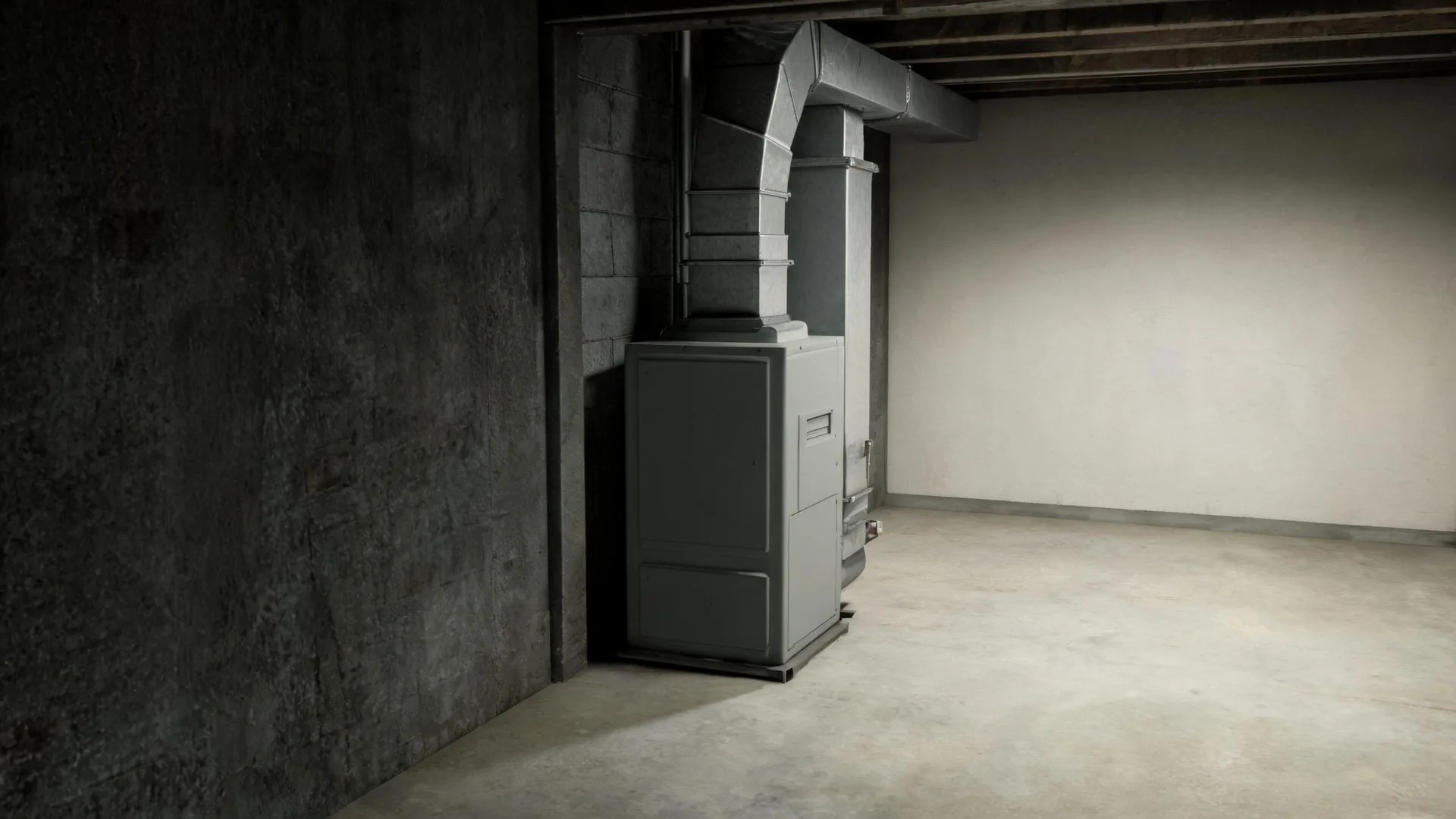
A furnace repair in this area starts with what has been asked of the ignition system and burner, because those are the parts that cycle every time the heat kicks on. Homes in Washington County, ME run heat about nine months a year, from September through May. That kind of sustained cycling adds up on igniters and flame sensors before it ever shows on the heat exchanger, which is why a contractor working a repair here prices those components first. A heat exchanger inspection follows, but the ignition train is where wear lands earliest.
Furnace parts go obsolete on a timeline that has nothing to do with when a house was built. Half the homes in Washington County, Maine were built in 1975 or earlier (2020-2024 ACS 5-year). The equipment inside those houses is younger than the walls, which means a contractor opening a failed furnace here is working out whether the heat exchanger, the inducer, or the control board it needs still has a supply chain behind it. If the part is discontinued, the repair becomes a replacement decision regardless of how sound the house is. That is what shapes how a furnace job scopes out in this county.
The Parts of a Furnace a Contractor Checks First
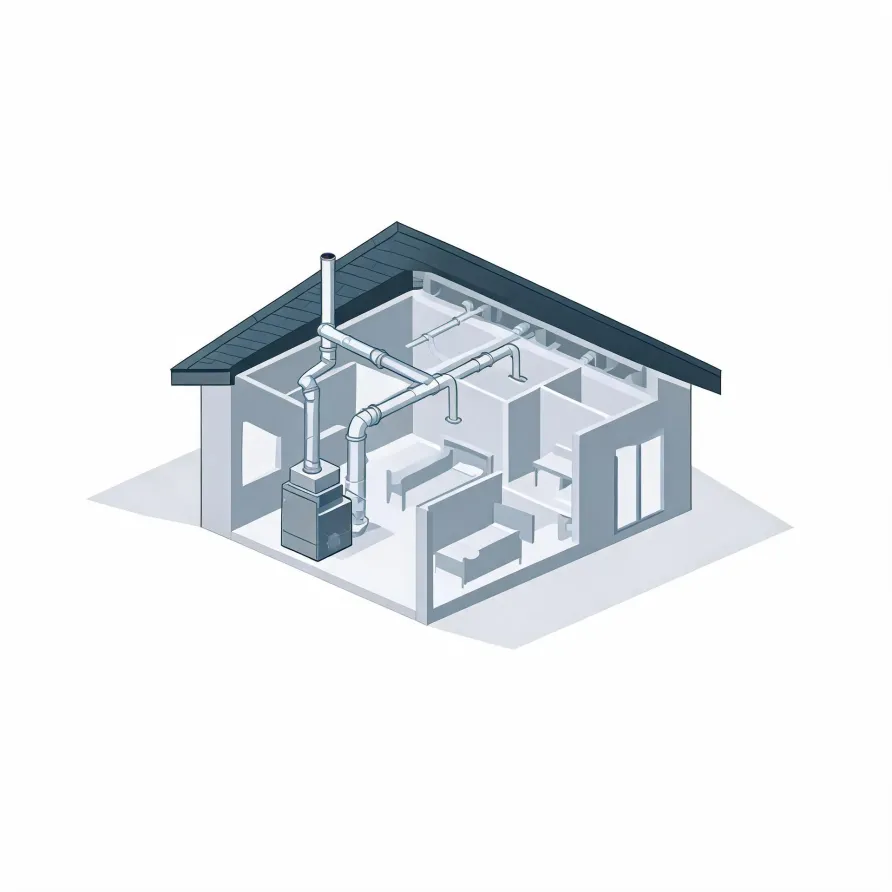
The furnace itself sits in a basement, utility room, or closet and is the heart of the system. Inside it, the heat exchanger and burner assembly are where most repair calls begin. A cracked heat exchanger, a failed ignitor, or a burner that will not fire cleanly are the faults a contractor looks for first.
The blower motor and its fan wheel push conditioned air out through the supply side and pull return air back in. The flue pipe exits the furnace and vents combustion gases outside. The control board ties all of it together, and when the system behaves strangely, that board is often where a contractor traces the fault.
The drawing shows a general layout of these components, and a licensed contractor determines what applies to the specific equipment and configuration in your home.
Find a contractor in Washington CountyWashington County, Maine, by the numbers
206 severe weather events were recorded in Washington County, Maine between 2015 and 2024.
NOAA National Centers for Environmental Information, Storm Events Database, bulk CSV export, events 2015-01-01 through 2024-12-31.Half the homes in Washington County, Maine were built in 1975 or earlier (2020-2024 ACS 5-year).
U.S. Census Bureau, 2020-2024 American Community Survey 5-Year EstimatesWashington County, Maine holds 21,726 housing units (2020-2024 ACS 5-year).
U.S. Census Bureau, 2020-2024 American Community Survey 5-Year EstimatesOwners occupy 79.7% of the occupied homes in Washington County, Maine (2020-2024 ACS 5-year).
U.S. Census Bureau, 2020-2024 American Community Survey 5-Year EstimatesCodes & Standards Behind Furnace Repair in Washington County, Maine5 sourced rules & standards
What HVAC Repair Looks Like in Washington County
Non-weatherized gas furnaces manufactured on or after November 19, 2015 must reach 80.0 percent AFUE.
Non-weatherized oil-fired furnaces manufactured on or after November 19, 2015 must reach 83.0 percent AFUE.
Mobile home gas furnaces manufactured on or after November 19, 2015 must reach 80.0 percent AFUE.
Non-weatherized gas furnaces manufactured on or after December 18, 2028 must reach 95.0 percent AFUE, up from the 80.0 percent minimum that applies to units manufactured before that date.
Licensing and Legal Requirements in Washington County, Maine
Maine licenses the fuel-burning side of heating rather than HVAC as a trade: a Maine Fuel Board licence is required to install or service solid fuel, oil, propane or natural gas burning equipment, including pellet-fired central heating appliances. Air conditioning is not named anywhere in the chapter.
Severe Weather Events in Washington County
Heating equipment in Washington County works against whatever the climate puts on it, and weather events are a direct source of that load. Hard runs, sudden demands, and stress from outdoor conditions are part of what determines how long a furnace holds up and when repair becomes necessary.
206 severe weather events, 2015–2024. Source: NOAA National Centers for Environmental Information, Storm Events Database.